Moringa Leaf in Daily Routines: Simple Ways to Use the “Miracle Leaf” Every Day
Published 01/09/2026
Table of Contents
- What this article covers
- What is moringa?
- What is moringa good for? A realistic view
- Moringa forms: leaves, powder, tea, capsules, seeds, and oil
- Daily routine ideas: morning, midday, evening
- Moringa powder benefits: how to use it without hating the taste
- Moringa tea benefits: a calmer way to be consistent
- Moringa benefits for women
- Moringa benefits for men
- How to choose the best moringa supplement
- Safety notes and who should be cautious
- Next steps
- Sources
What this article covers
Moringa has a reputation as the “miracle leaf,” but most people never move past the hype.
This article is about practical, everyday use—so moringa becomes a routine, not a trend.
What is moringa?
Moringa is the leaf of the moringa tree (Moringa oleifera), sometimes called the “miracle leaf” or “tree of life.” The moringa plant is valued because its leaves are naturally dense with nutrients and plant compounds.
When people talk about “moringa benefits,” they’re usually talking about the leaves—fresh, dried, or ground into moringa powder—and sometimes moringa capsules (moringa pills) made from that leaf powder.
A simple way to think about it: moringa isn’t a one-time remedy. It’s a daily, food-like plant that can support your routine when used consistently.
What is moringa good for? A realistic view
People ask, “what does moringa do?” or “is moringa good for you?” The most grounded answer is this:
- Moringa leaf can help you fill nutritional gaps when your diet is inconsistent.
- Moringa leaves bring plant compounds (like polyphenols) that your body uses in many protective pathways.
- Moringa works best when you treat it like a steady habit, not a quick fix.
If you want a practical definition of “benefits of moringa,” it’s the combination of:
- Everyday nourishment (vitamins, minerals, amino acids)
- Plant chemistry (antioxidant compounds)
- Consistency (the part most people skip)
That last part matters. Most people try moringa for three days, then stop. The goal here is to make it easy enough to keep.
Moringa forms: leaves, powder, tea, capsules, seeds, and oil
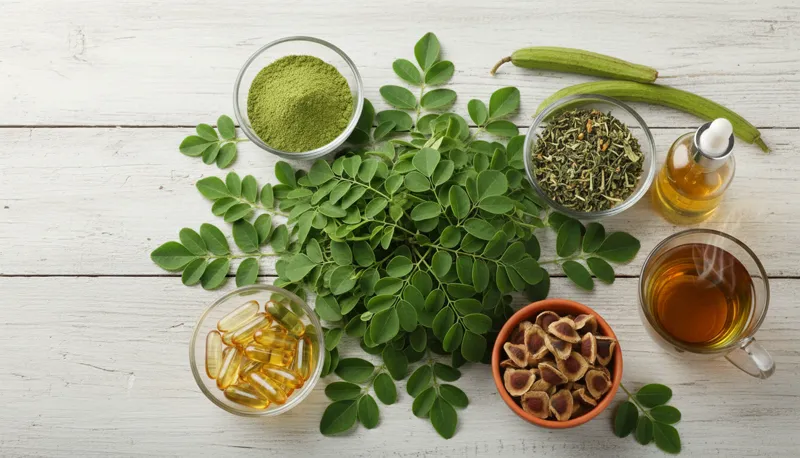
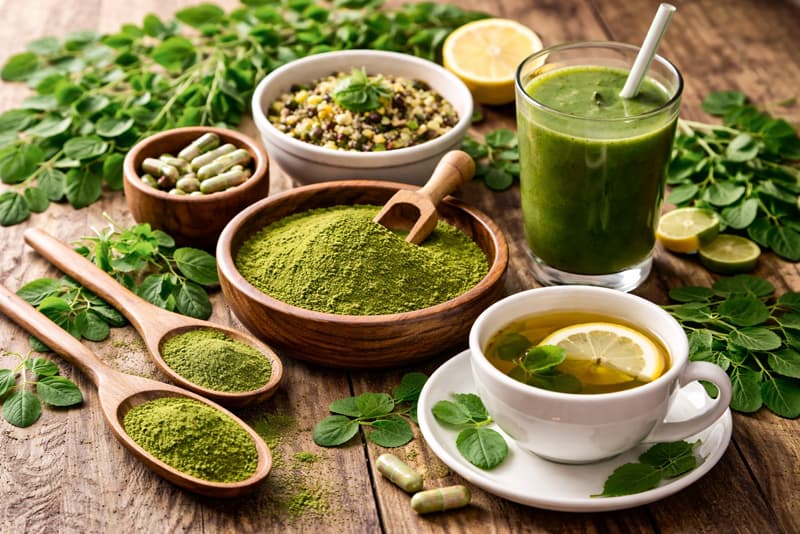
Moringa shows up in a few main forms. Each form fits a different lifestyle.
Moringa leaves (fresh or dried)
Fresh moringa leaves are used like any leafy green. Dried moringa leaf is often used for tea or ground into powder.
Best for: people who want a food-first approach.
Moringa powder
Moringa powder is dried moringa leaf that’s been ground. It’s the most common form people buy.
Best for: smoothies, soups, stews, sauces, or mixing into foods.
Moringa tea
Moringa tea is usually dried leaves steeped in hot water. If you’re sensitive to strong flavors, tea can be easier.
Best for: a consistent ritual (morning or evening), hydration habits.
Moringa capsules / moringa pills
Moringa capsules (or “moringa pills”) are convenient when you don’t want taste or prep.
Best for: travel, busy schedules, people who struggle with green powders.
Moringa seeds
Moringa seeds can be used in specific ways (some cultures use them for water clarification, and the seed oil is used in skincare). Seed use can be more intense than leaf use, so it’s not the first “daily routine” choice for most people.
Best for: specialized use (not usually a first step for beginners).
Moringa oil
Moringa oil (often called ben oil) comes from the seeds and is commonly used for skin and hair routines.
Best for: topical routines—skin, scalp, and hair.
Daily routine ideas: morning, midday, evening
If you want moringa benefits, build a routine that matches your real life.
Here are three easy anchors. Pick one and run it for two weeks.
Morning routine: the “green start”
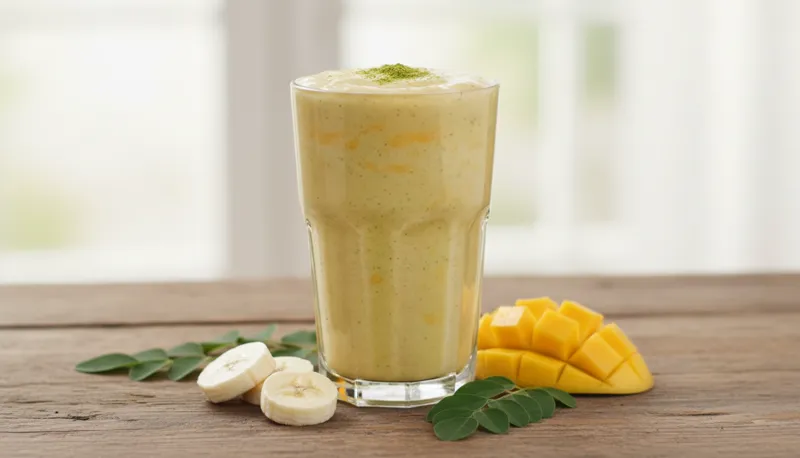
Option A: Smoothie anchor
- Add 1/2 to 1 teaspoon moringa powder to a smoothie with banana, mango, or pineapple.
- Include a fat source (like yogurt, nut butter, or seeds) for a more satisfying drink.
Option B: Warm tea anchor
- Brew moringa tea and drink it while you plan your day.
- Pair it with breakfast so it becomes automatic.
Why it works: mornings are predictable. If you’re consistent here, you’ll feel the difference in routine long before you feel anything “dramatic.”
Midday routine: the “steady energy” add-on
Option A: Mix into lunch
- Stir a small amount of moringa powder into soup, stew, or sauce.
- If you do salads, sprinkle moringa powder into dressing instead of straight on leaves.
Option B: Capsule routine
- Take moringa capsules with lunch and water.
Why it works: midday is where people usually crash. A stable routine here supports consistency.
Evening routine: the “wind-down” ritual
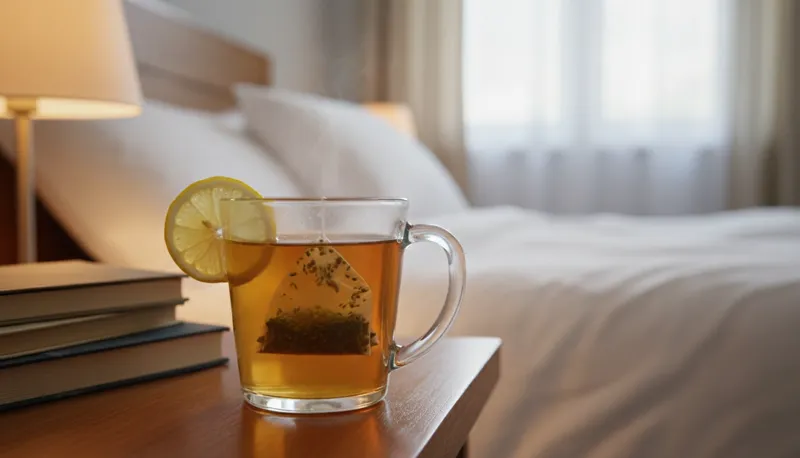
Option A: Moringa tea in a calm setting
- Brew a mild moringa tea.
- Add lemon or ginger for taste.
Option B: Topical oil routine
- Use moringa oil as part of a skin routine (face, elbows, hands) or scalp massage.
Why it works: evening routines are habit-friendly because they repeat in the same environment.
Moringa powder benefits: how to use it without hating the taste
Let’s be honest: many people stop because they don’t like the flavor of moringa powder. The goal is not to suffer—your goal is consistency.
Here are taste-smart strategies:
1) Start smaller than you think
Instead of jumping to a big scoop, use 1/4 to 1/2 teaspoon for the first week. Most people overdo it and quit.
2) Pair it with strong flavors
Moringa powder benefits don’t require a huge dose. Add it to:
- Cacao or chocolate smoothies
- Mango/pineapple smoothies
- Ginger tea blends
- Tomato-based soups or stews
3) Hide it in “wet” foods
Moringa powder dissolves better when mixed into:
- Yogurt
- Oatmeal
- Soup
- Sauces
4) Build a “default recipe”
Pick one recipe you can repeat:
- Banana + mango + yogurt + cinnamon + moringa
- Oatmeal + honey + berries + moringa
Consistency beats creativity.
Moringa tea benefits: a calmer way to be consistent
Moringa tea is often the easiest entry point for beginners. It’s also one of the simplest ways to create a daily rhythm.
How to brew moringa tea
- Use dried moringa leaves or a moringa leaf tea bag.
- Steep in hot (not violently boiling) water for 5–10 minutes.
- Start mild; stronger isn’t always better.
How to make moringa tea taste better
- Lemon + a tiny bit of honey
- Ginger slices
- Cinnamon stick
- Mint
Why moringa tea works as a habit
If you’re asking, “what is moringa good for?” one answer is: it makes it easier to show up for your health daily. Tea is a ritual. Rituals stick.
Moringa benefits for women
People search for “moringa benefits for women” because women often carry higher daily stress and more nutrient strain—especially during busy seasons of life.
Here’s a grounded way to frame moringa leaf benefits for women:
- Nutrient density: moringa leaves contain minerals and vitamins that support normal energy metabolism.
- Everyday nourishment: moringa can support a food-first approach when meals are inconsistent.
- Ritual support: moringa tea can become a calming daily practice.
Important: moringa is not a replacement for medical care, and it shouldn’t be used to self-treat any condition. But it can be a supportive daily tool.
Moringa benefits for men
People also search “moringa benefits for men” because men often want simple routines that support long-term performance and resilience.
A realistic framing of benefits of moringa for men is:
- Routine-based nutrition: moringa can support daily micronutrient intake.
- Consistency: moringa capsules can be a simple “no-excuses” option.
- Lifestyle alignment: moringa works well with training, hydration, and sleep habits.
Again: it’s not a magic pill. It’s a steady plant.
How to choose the best moringa supplement
If you’re looking for the best moringa supplement, don’t just chase marketing. Use a simple quality checklist.
Look for the right source material
- Prefer products that clearly say moringa leaf (not vague “moringa blend”).
- If it’s a capsule, confirm it’s moringa leaf powder.
Watch for unnecessary extras
- Avoid heavy fillers, artificial colors, and “proprietary blends.”
Consider processing and freshness
How moringa is dried and stored matters. Some nutrients can drop with heat and long storage. Look for brands that discuss harvest and drying practices.
Choose the form you’ll actually use
- If you hate taste, choose moringa capsules.
- If you love rituals, choose moringa tea.
- If you cook daily, choose moringa powder.
The “best” choice is the one you’ll keep using.
Safety notes and who should be cautious
Moringa is commonly used as food in many regions, but “natural” does not mean “risk-free.” If you’re on medication or you’re pregnant, be cautious.
Talk to a clinician first if you:
- Take diabetes medication (moringa may affect blood sugar)
- Take blood pressure medication
- Take thyroid medication
- Are pregnant or breastfeeding
Start low and track your response
If you’re new:
- Start small (especially with powder)
- Use it with meals
- Pay attention to how you feel
The goal is gentle consistency—not extremes.
Traditional African Perspective
Across parts of Africa and the African diaspora, moringa has been treated as a daily-strength plant—not a trendy supplement.
The moringa tree grows in climates where survival depends on practical nutrition, local knowledge, and plants that can be harvested again and again.
In many traditional contexts, moringa leaf is valued because:
- It is reliable: the plant can be harvested repeatedly.
- It supports household nourishment: leaves can be added to soups, stews, and daily meals.
- It fits a routine-based worldview: health is built through daily practices—food, movement, rest, sunlight, and community.
This shifts the question from “What can moringa fix?” to “How can moringa support a healthier daily rhythm?”
From an Ancient African Secrets perspective, moringa is best understood as part of a bigger pattern:
- Eat foods that actually nourish you.
- Use herbs and leaves as steady support.
- Build habits you can keep.
That approach is simple—but powerful.
Modern Research
Modern research supports a few key ideas that match traditional use—while also reminding us to stay honest about what’s proven and what’s still emerging.
1) Moringa leaves are nutrient-dense
Research reviews commonly describe moringa leaves as a meaningful source of vitamins, minerals, amino acids, and bioactive plant compounds.
2) Antioxidant and polyphenol content is a major theme
Many papers highlight moringa’s polyphenols and antioxidant activity. That doesn’t mean it “cures” disease—but it helps explain why it’s studied so heavily.
3) Human research is growing, but results vary
Some clinical studies and reviews explore moringa supplementation for areas like blood sugar and lipid markers. Results can differ across studies depending on dose, population, and preparation.
4) Processing matters
Drying and storage can change nutrient retention—especially for sensitive compounds. That’s one reason quality and freshness matter if you’re buying moringa powder or tea.
Bottom line: modern research gives supportive signals for moringa’s nutritional value and bioactive compounds, but it also supports a cautious, consistent, non-hype approach.
Next steps
If you want a simple way to make moringa part of your routine, start with one clean, straightforward option you’ll actually use.
Try one small step:
- If you like smoothies and cooking: Moringa Powder.
- If you want a calming ritual: Moringa Tea.
No pressure—your best choice is the one that fits your life.
Sources
- Islam Z. et al. (2021). Moringa oleifera is a Prominent Source of Nutrients… (PMC). https://pmc.ncbi.nlm.nih.gov/articles/PMC8373516/
- Pareek A. et al. (2023). Moringa oleifera: An Updated Comprehensive Review… (PMC). https://pmc.ncbi.nlm.nih.gov/articles/PMC9916933/
- Healthline (2023). Moringa oleifera: Nutrition and Benefits. https://www.healthline.com/nutrition/6-benefits-of-moringa-oleifera
- ECHOcommunity (2024). Harvesting and Drying Considerations for Quality Moringa. https://www.echocommunity.org/en/resources/fc75358b-656a-4332-88ab-6913ce4d7181
- Ademiluyi AO. et al. (2018). Drying alters phenolic constituents… (PMC). https://pmc.ncbi.nlm.nih.gov/articles/PMC6261129/
- da Silva Parente TSJ. et al. (2025). Effect of Moringa oleifera on inflammatory diseases. (PMC). https://pmc.ncbi.nlm.nih.gov/articles/PMC12127422/
- WebMD. Moringa – Uses, Side Effects, and More. https://www.webmd.com/vitamins/ai/ingredientmono-1242/moringa
- Drugs.com. Moringa Uses, Benefits & Dosage. https://www.drugs.com/npp/moringa.html
Continue exploring
Get the 15-Day Detox Cleanse Planner FREE
Join the newsletter for practical routines and updates.
We respect your privacy. Unsubscribe anytime. No spam, ever.