Natural Remedies: Safer and More Effective Than Pharmaceuticals
Published 01/11/2026
Table of Contents
Introduction
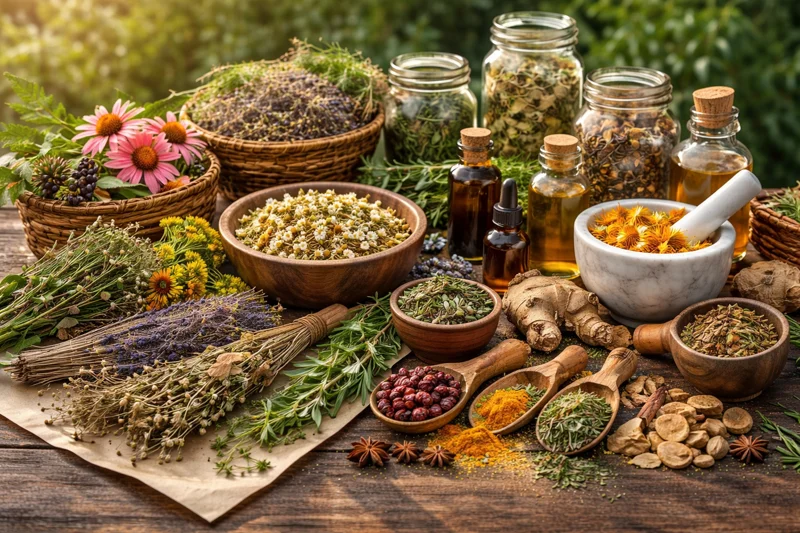
All around the world, people are once again turning to herbal remedies and natural healing methods as alternatives to modern pharmaceuticals. These natural approaches—ranging from simple home remedies to long-used herbal traditions—focus on supporting the body as a whole rather than forcing quick fixes. Many people find that natural remedies offer real relief with fewer side effects while helping the body return to balance. In this foundational article, we explore why nature's medicine cabinet has served humanity so well, drawing from the Traditional African Perspective and supported by modern scientific research that continues to confirm the value of these ancient practices.
Why Choose Natural Remedies?
Human beings have relied on medicinal plants since the earliest days of civilization. Long before pharmacies, people turned to roots, leaves, bark, and seeds to care for the body. Even today, millions of people around the world use herbal remedies and traditional medicine for common concerns such as colds, stress, digestive issues, nausea, and skin problems. The World Health Organization estimates that up to 80% of the global population still depends on traditional medicine for basic healthcare needs. This widespread use is not based on superstition—it reflects generations of lived experience and careful observation.
Across cultures and continents, communities tested remedies over long periods of time. Those that caused harm or showed no benefit were gradually abandoned, while those that worked were preserved and passed down. In this way, traditional remedies became a form of long-term human testing. When something is used safely and effectively for hundreds or even thousands of years, it earns trust. These remedies were refined through real-world use, not laboratories, and their survival speaks to their value.
A well-known example is aloe vera. Ancient Egyptian records describe its use for soothing burns and skin irritation, and people still rely on aloe gel today for those same purposes. Remedies like this have endured because they continue to work. Many ancient treatments remain relevant because the human body has not changed as much as modern medicine sometimes assumes.

Supporters of natural healing often say that herbal remedies are safer and more effective because they have been tested by time. While that statement may sound bold, history supports it. Ancient texts, such as Egyptian medical scrolls from over 3,000 years ago, mention mint for digestion, honey for wounds and infections, and aloe for burns—uses that modern science now confirms. Meanwhile, some modern drugs are withdrawn after only a few years due to harmful side effects that were not fully understood at first. Natural remedies tend to work gently with the body, aiming to restore balance rather than simply suppress symptoms.
Another reason many people prefer natural remedies is their holistic nature. Traditional healing systems look at the whole person—body, mind, and spirit—rather than focusing on one isolated symptom. Health is seen as balance. When balance is lost, illness appears. Restoring balance often means addressing diet, stress, emotions, movement, and environment alongside herbal support. Modern medicine excels in emergencies and serious disease, but it can sometimes overlook these everyday factors that strongly influence long-term health.
Natural remedies are also empowering and accessible. Many can be prepared at home using common ingredients like ginger, garlic, herbs, or honey. A simple cup of herbal tea can support digestion or calm the nervous system without the cost or risks of prescription medication. In many African communities, traditional medicine has long been the most trusted, affordable, and accessible form of healthcare. Even in industrialized countries, people are rediscovering home remedies as concerns grow about overuse of antibiotics, painkillers, and other drugs. Choosing natural remedies means reconnecting with a healing tradition that is practical, affordable, and deeply rooted in human history.
Traditional African Perspective
Across Africa, herbal medicine is not considered "alternative." It is a central part of everyday life. For centuries, traditional remedies have been the primary source of healthcare for much of the population. An estimated 80% of people across the continent still rely on traditional medicine today. This deep trust comes from lived results, not theory.
African communities developed natural solutions for nearly every common health concern. Leaves were brewed into teas to reduce fever, roots were ground to support digestion, and plant oils and butters were used to heal and protect the skin. Traditional healers—often known as herbalists, diviners, or spiritual healers—served as guardians of this knowledge. Their role extended beyond treating illness; they helped maintain balance within individuals and communities.
A defining feature of African traditional healing is its holistic worldview. Illness is not seen as purely physical. It may also reflect emotional stress, spiritual imbalance, or a disruption in one's relationship with nature or community. For this reason, treatment often includes more than herbs alone. Dietary changes, rest, prayer, ceremony, and counseling may all be part of the healing process. The goal is not just to remove symptoms, but to restore harmony.
African traditional medicine also reflects the continent's incredible plant diversity. Thousands of plants are known to have medicinal uses. Some have gained global recognition, such as Devil's claw for joint pain, Artemisia for fever and malaria, and moringa as a nutrient-dense plant used to strengthen the body. These remedies are not myths. Scientific studies have confirmed many of their effects, including anti-inflammatory and immune-supporting properties. Artemisia, for example, led to the development of modern malaria treatments used worldwide.
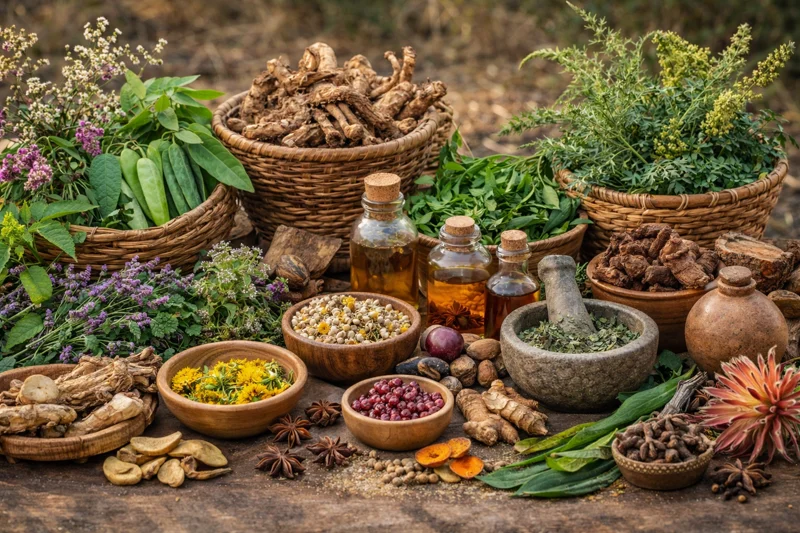
Rather than fading away, African traditional medicine continues to evolve. Many African nations are now working to formally study, regulate, and integrate herbal medicine into healthcare systems. In some countries, traditional medicine clinics operate alongside hospitals, allowing patients to benefit from both approaches. This model recognizes that natural remedies and modern medicine are not enemies—they are complementary tools. From the African perspective, preserving herbal knowledge is about honoring ancestral wisdom while working in harmony with modern science to improve health for future generations.
Modern Research and Validation
For much of the last century, Western medicine often dismissed herbal remedies as outdated or unscientific. That view is changing. Modern research is now actively studying traditional remedies, and many findings confirm what people have known for generations: plants contain powerful healing compounds.
A significant number of modern drugs actually come from plants. Around 11% of medicines considered essential by global health authorities are derived from flowering plants. Aspirin is one of the most familiar examples. It originated from compounds found in willow bark, which people used for pain and fever long before tablets existed. Other examples include quinine for malaria, morphine for pain relief, and cancer drugs derived from periwinkle plants. In many cases, modern pharmaceuticals are concentrated versions of natural substances.
Today, researchers also study whole herbs directly. Ginger, turmeric, peppermint, chamomile, and many others have been tested for their effects on inflammation, digestion, immunity, and mood. Ginger tea, long used for colds and sore throats, has been shown to contain compounds that reduce inflammation and fight microbes. Science is confirming what traditional wisdom already taught: simple remedies can be effective when used correctly.
Large reviews of herbal medicine studies show promising results. Many people experience symptom improvement with fewer side effects than conventional drugs. Patients often report better tolerance and a greater sense of well-being. While more high-quality research is still needed, the evidence continues to grow—especially for chronic, non-life-threatening conditions where pharmaceuticals may be too harsh.
Safety is another important area of validation. Many prescription drugs come with long lists of side effects, particularly when used long-term. Herbal remedies generally work more gently, supporting the body rather than overpowering it. When used responsibly, herbs like peppermint, valerian, or ginger tend to cause fewer adverse reactions than synthetic alternatives. Natural does not automatically mean safe, but appropriate use makes a meaningful difference.
Modern research is also exploring African medicinal plants for new applications, including immune support and antiviral properties. Collaborative studies between scientists and traditional healers are uncovering valuable insights. These efforts show growing respect for ancestral knowledge and highlight the continued relevance of natural medicine in modern healthcare.
Natural Remedies vs Pharmaceuticals: Key Benefits
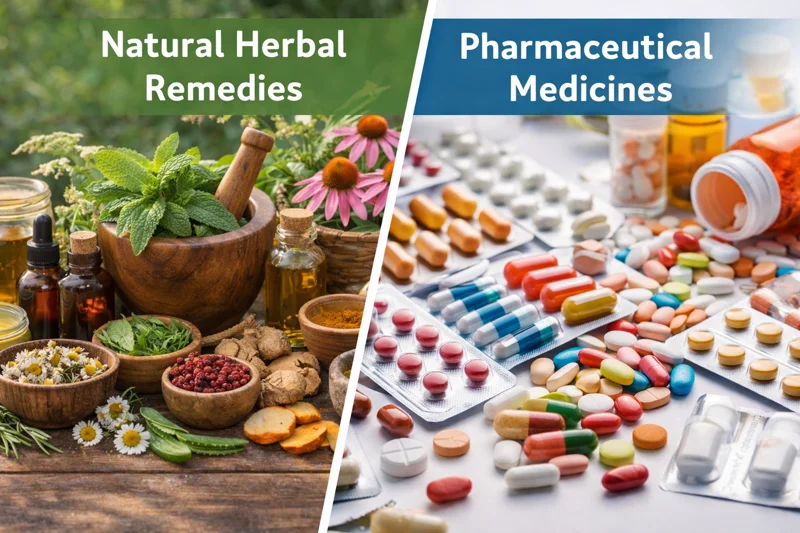
Now that we've looked at both ancient healing traditions and modern scientific evidence, we can clearly see why natural remedies often have advantages over pharmaceuticals. Modern drugs have absolutely saved lives, especially in situations like infections, surgeries, and medical emergencies. They have an important place. However, when it comes to many everyday health concerns, natural remedies offer benefits that are hard to ignore.
Herbal and holistic remedies work differently from pharmaceuticals. Instead of forcing quick changes in the body, they tend to support natural balance and long-term wellness. Below are some of the key reasons why natural remedies can be a better option for many people and many situations.
Whole-Person Healing
Natural remedies are part of holistic systems that treat the entire person, not just a single symptom. These systems recognize that the body, mind, and emotions are all connected. Rather than focusing on one isolated issue, herbal approaches often work on several areas at the same time. For example, a single herbal remedy might calm the nervous system, support digestion, and strengthen immunity all at once. This reflects a complete view of health, where balance is the goal.
Pharmaceuticals, by comparison, are designed to target specific chemical pathways. While this can be useful for certain diseases, it may overlook other important factors such as stress, diet, emotional health, and lifestyle. By addressing physical, mental, and emotional health together, natural remedies can support overall well-being and help prevent future problems rather than just managing symptoms as they arise.
Fewer Side Effects and Safer Long-Term Use
One of the biggest reasons people turn to natural remedies is because they tend to be gentler on the body. Most herbal remedies are well tolerated and do not cause severe side effects when used appropriately. They usually work more slowly and broadly, which reduces the risk of harsh reactions or dependency.
For example, drinking peppermint tea to ease indigestion is unlikely to cause the side effects that can come from long-term use of synthetic antacids. Scientific reviews have shown that many patients prefer herbal remedies because they experience fewer unwanted effects and find them easier to tolerate. For non-emergency and long-term health concerns, natural remedies often provide a safer option than pharmaceuticals that may strain the body over time.
Time-Tested Effectiveness and Trust
Natural remedies have something that no modern drug can claim: hundreds or even thousands of years of real-world use. Over generations, communities observed which remedies worked and which did not. Treatments that caused harm or failed to help were gradually abandoned, while those that proved effective were passed down.
Because of this long history, natural remedies are often both safer and more effective in practical use. Many ancient practices still hold up under modern scientific testing. Willow bark for pain relief eventually led to aspirin. Honey, long used to dress wounds, is now known to fight bacteria. People also tend to trust natural remedies more because they have seen them used by parents, grandparents, and elders. There is a sense of comfort in using something familiar rather than taking a newly developed pill with a long list of hard-to-pronounce side effects.
Accessible and Affordable
Herbal remedies are often easy to find and affordable. A box of herbal tea, a common kitchen spice, or a medicinal plant grown at home usually costs far less than prescription medications. In many parts of the world, medicinal herbs are sold in local markets or gathered from the land at little to no cost.
The World Health Organization continues to emphasize that traditional medicine remains an affordable and accessible form of healthcare, especially in communities where modern clinics are limited. Pharmaceuticals often require doctors, pharmacies, insurance, and ongoing costs, which not everyone can access. Natural remedies allow people to care for common health issues on their own, without financial strain. Even in wealthier countries, many people are returning to home remedies as a way to reduce medical expenses and avoid unnecessary medication. Herbal medicine has always been the people's medicine—simple, local, and practical.
Works With the Body's Natural Healing Systems
Many herbal remedies support the body rather than overpowering it. Instead of forcing a response, they help the body do what it is already designed to do. For example, echinacea does not directly destroy viruses the way an antiviral drug might. Instead, it supports the immune system so the body can respond more effectively on its own.
This supportive approach often means fewer aggressive interventions. Natural remedies are especially helpful for prevention and long-term care, helping the body stay balanced and resilient. Pharmaceuticals are extremely valuable in acute or life-threatening situations, but they may not be ideal for gentle, ongoing support. By using herbs appropriately, many people are able to reduce how often they rely on stronger medications. Someone with mild joint pain, for instance, may manage discomfort with turmeric or topical plant-based remedies rather than moving quickly to high-dose painkillers.
It's important to understand that this is not a competition between herbs and pharmaceuticals. The goal is not to choose one and reject the other entirely. In many cases, the best results come from using both wisely—natural remedies for everyday wellness and minor concerns, and pharmaceuticals for serious or emergency conditions. Still, as these points show, there are many situations where starting with a natural approach simply makes sense. The strength of natural remedies lies in their gentle action, holistic focus, long history of use, and alignment with the body's natural healing processes. These qualities help explain why so many people today are choosing herbs over pills whenever possible.
Embracing Natural Healing
When we look at the long history of medicine, natural remedies stand out as humanity's earliest and most enduring form of healing. For thousands of years, people have relied on plants, foods, and simple practices to maintain health and treat illness. From the Traditional African Perspective, we see how deeply herbal medicine is woven into daily life, culture, and community—and how it continues to be trusted by millions of people today. Modern scientific research is now confirming what these traditions have long known: many natural remedies have real biological effects and often offer safer options for everyday health concerns.
Herbal and holistic remedies are not outdated or irrelevant. They are living systems of knowledge that continue to grow and adapt. They offer solutions that modern pharmaceuticals alone cannot always provide, especially when it comes to prevention, balance, and long-term well-being.
As you think about your own health, remember that nature offers an enormous range of support. For many common issues, there is often a plant-based remedy or simple home preparation that can help—such as chamomile for calming the nerves, ginger for pain or digestion, or carefully chosen herbs to support immunity. Serious or life-threatening conditions should always be evaluated by medical professionals, and natural remedies should be used thoughtfully and with proper knowledge. Still, for everyday wellness and prevention, turning to herbal and holistic practices can be a powerful and empowering first step.
Choosing natural healing does not mean rejecting modern medicine. Instead, it means expanding your options. By combining ancestral remedies that have stood the test of time with the insights of modern science, we can create a more balanced, effective, and sustainable approach to health. Natural remedies are not merely "alternatives." In many cases, they are the wiser choice for gentle, long-term healing in daily life.
At Ancient African Secrets, we honor this healing tradition. We invite you to explore herbal tools and resources inspired by traditional African wisdom and guided by modern standards of quality and care. Small choices—like drinking herbal tea, using plant-based balms, or supporting the body naturally—can lead to meaningful change over time. By embracing the best of both worlds, you open the door to deeper, more natural relief and lasting well-being.
Sources
- World Health Organization. Traditional Medicine Strategy 2014-2023
https://www.who.int/health-topics/traditional-complementary-and-integrative-medicine - National Center for Complementary and Integrative Health. Herbs at a Glance
https://www.nccih.nih.gov/health/herbs-at-a-glance - Pan SY et al. Historical perspective of traditional indigenous medical practices
https://www.ncbi.nlm.nih.gov/pmc/articles/PMC4003706/ - Bent S et al. Herbal medicine in the United States: review of efficacy, safety, and regulation
https://www.ncbi.nlm.nih.gov/pmc/articles/PMC2178961/ - African Traditional Medicine: WHO Regional Office for Africa
https://www.afro.who.int/health-topics/traditional-medicine - Ancient African Secrets To Great Health – PeterJohn Fox
Continue exploring
Get the 15-Day Detox Cleanse Planner FREE
Join the newsletter for practical routines and updates.
We respect your privacy. Unsubscribe anytime. No spam, ever.