The Ancient Art of Detox: Cleansing and Liver Health
Published 01/08/2026
Table of Contents
Introduction
Detoxing is more than a trendy buzzword or a weekend juice spree. It's a biological necessity rooted in both traditional practices and validated by modern science. For those seeking a return to better metabolic function, improved energy, and reduced toxic burden, detoxification offers a structured path to restore optimal health. But to do it right, we must understand its purpose, its mechanisms, and the most effective strategies.
At its core, detox is the body's natural system for identifying, neutralizing, and eliminating internal and external toxins. Every day, our liver, kidneys, lungs, skin, lymphatic system, and intestines work in tandem to remove harmful substances that we absorb from food, air, water, and metabolic processes. However, the increased load from synthetic chemicals, ultra-processed foods, sedentary behavior, and chronic stress can overwhelm these systems.
This is where intentional detoxification practices come in. Rather than offering a miracle fix, detox protocols support and enhance the body's built-in elimination pathways. This includes improving liver enzyme function, stimulating bile flow, aiding kidney filtration, and promoting regular bowel movements and lymphatic drainage.
Many cultures across the African continent have long used seasonal cleansing strategies—such as fiber-rich diets, fasting periods, and bitter plant tonics—not just for tradition, but because they worked. These strategies mirror many of the same biological principles now explored in nutritional science, functional medicine, and systems biology.
By understanding the physiology of detox and leveraging both ancient knowledge and evidence-based practices, we can reduce inflammation, rebalance hormones, improve digestion, and support long-term metabolic resilience. This guide will walk you through the signs your body needs a detox, how your organs are involved, and practical steps to implement a safe and effective detox routine.
What Is Detox Really About?
Detoxification refers to the metabolic processes through which the body transforms and eliminates waste products and toxins. These can include environmental chemicals, heavy metals, alcohol, medications, metabolic byproducts, and hormonal residues.
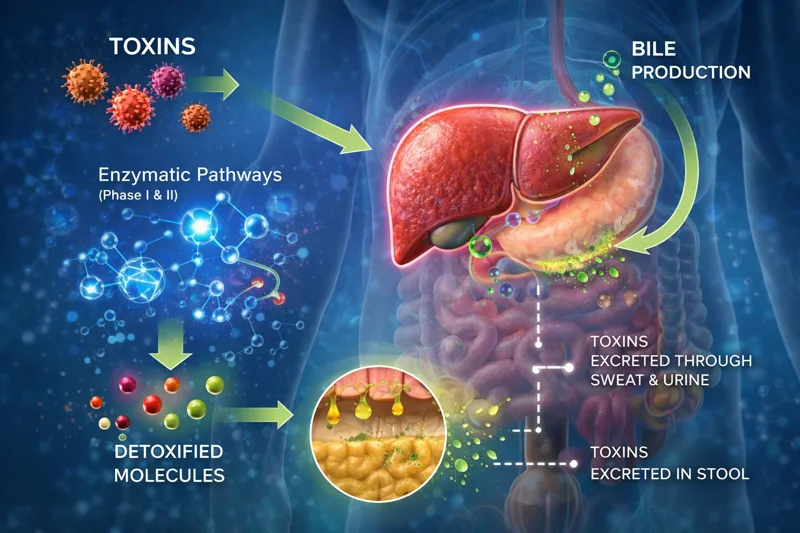
The liver is central to detoxification, breaking down these substances through enzymatic reactions and excreting them via bile or urine. The kidneys filter the blood and eliminate water-soluble toxins through urine. The gut microbiome also plays a critical role, metabolizing excess hormones and modulating the immune response.
Effective detox is about supporting these systems so that the body can maintain homeostasis—its natural balance point. This involves dietary choices, hydration, physical movement, and rest—all of which influence how well your internal detox pathways operate.
Signs You May Need a Detox
Your body often sends clear signals when detox systems are sluggish or overwhelmed:
- Persistent fatigue, even with adequate sleep
- Difficulty concentrating or memory issues
- Skin issues such as rashes, acne, or dullness
- Irregular bowel movements, gas, or bloating
- Strong cravings for sugar, caffeine, or salty foods
- Increased sensitivity to smells or chemicals
- Mood swings or irritability
- Fluid retention or puffiness
These symptoms may be early signs of liver detox working or could suggest the need to initiate a supportive cleanse. If these issues persist, it may be worth evaluating lifestyle factors, environmental exposures, and dietary triggers that contribute to toxic load.
How to Detox Your Body the Right Way
The Liver: Your Master Cleanser
The liver performs over 500 functions, many of which directly support detoxification. It processes dietary nutrients, breaks down hormones, neutralizes pathogens, and facilitates waste elimination via bile. Enzyme systems in the liver—specifically cytochrome P450 pathways—convert fat-soluble toxins into water-soluble forms for excretion.
Supporting liver health is one of the most efficient ways to improve overall detox. A well-executed liver detox boosts energy, enhances digestion, and promotes clearer skin and mood regulation.
What foods are good for liver repair?
- Beets – high in betalains and nitrates to support phase 2 liver detox
- Leafy greens – increase bile flow and bind to toxins in the gut
- Garlic – contains sulfur compounds that enhance liver enzymes
- Lemon water – supports bile secretion and hydration
- Avocados – rich in glutathione precursors
- Turmeric – modulates inflammation and enzyme function
Top Detox Practices and Foods
A structured detox should enhance all major elimination routes:
- Liver (via bile)
- Kidneys (via urine)
- Colon (via feces)
- Skin (via sweat)
- Lungs (via respiration)
- Lymphatic system (via drainage)
Key practices:
- Intermittent fasting – improves insulin sensitivity and autophagy
- Dry brushing – supports lymphatic circulation
- Castor oil packs – increase blood flow to the liver
- Hydration – supports filtration and waste elimination
- Cleansing broths and smoothies – provide antioxidants and prebiotics
- Light movement – boosts circulation and lymphatic drainage
These practices form the basis for a sustainable full body cleanse detox at home.
Detox Drinks, Teas, and Supplements
Detox drinks combine hydration with bioactive ingredients. Try lemon-cucumber-ginger water or beetroot juice for liver and vascular support. A 1–3 day juice cleanse can help reduce inflammation and give the gut a break.
Peppermint tea supports digestion by relaxing smooth muscles in the gut. It also acts as a mild antimicrobial and carminative.
Detox tea blends often include:
- Dandelion root – diuretic and liver support
- Milk thistle – protects hepatocytes (liver cells)
- Burdock root – supports skin and kidney function
- Licorice root – adrenal and mucosal support
Which supplement is best for liver?
Look for:
- Silymarin (Milk Thistle) – antioxidant and anti-inflammatory
- NAC – replenishes glutathione levels
- Artichoke extract – increases bile flow
- ALA – supports mitochondrial health
Be cautious with detox pills marketed as quick fixes—they may cause electrolyte imbalances or strain the liver. Prioritize food-based strategies and targeted supplementation under guidance.
Traditional African Perspective
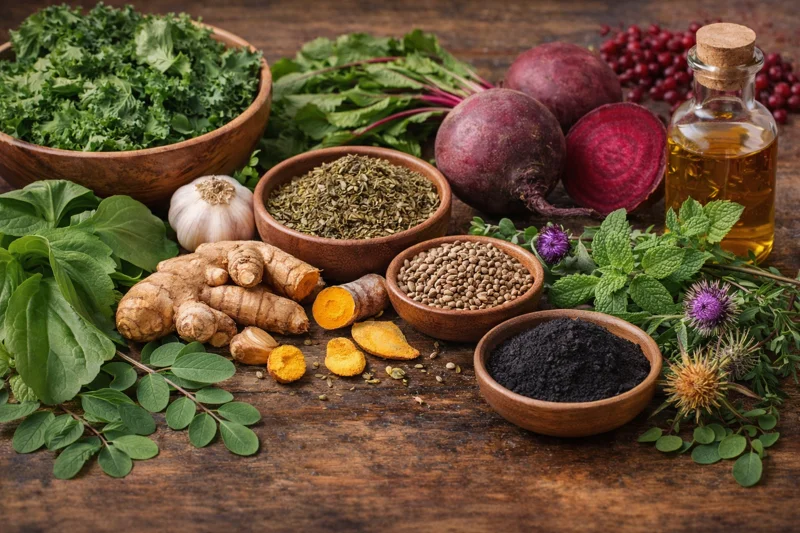
Traditional African medicine recognizes detoxification as part of daily and seasonal rhythm, not an emergency measure. While these practices vary by region, core strategies include:
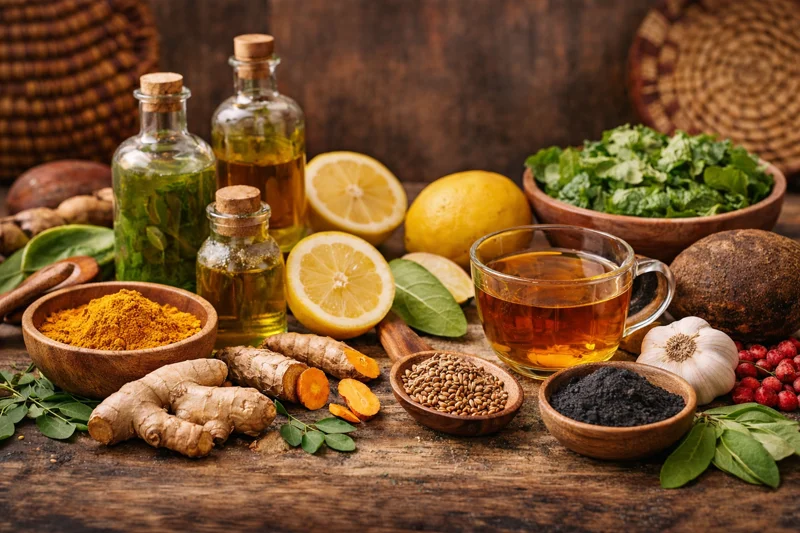
- Use of bitter herbs like moringa, neem, or senna to stimulate digestive and hepatic activity
- Use of chelation agents like bentonite clay and activated charcoal to bind toxins
- Periodic fasting aligned with harvest cycles or life transitions
- Communal sweat rituals or herbal steam baths to activate skin and circulatory detox
These approaches often align with modern concepts such as prebiotic-rich diets, anti-inflammatory fasting, and microbiome support.
Modern Research
Scientific evidence increasingly supports traditional detox strategies:
- Beetroot improves nitric oxide bioavailability and liver circulation
- Milk thistle may protect against liver toxicity and enhance regeneration
- Intermittent fasting promotes cellular cleanup via autophagy
- Peppermint tea reduces symptoms of indigestion and IBS
Research also supports the role of detox in metabolic health, particularly in reducing oxidative stress and supporting the immune system.
Begin Your Cleanse with Intention
Before you begin a detox, assess your current health status and set realistic goals. Instead of aiming for the best way to detox your body in 24 hours, build a multi-day plan that addresses nutrition, movement, hydration, and rest.
Start with these:
- Define your objective: energy, digestion, clarity
- Eliminate processed foods, alcohol, and added sugar
- Eat whole foods high in fiber and antioxidants
- Increase water intake and herbal teas
- Track your mood, energy, and digestion
A 15 day cleanse is often long enough to yield results while staying sustainable. Expect to notice subtle shifts like better sleep, clearer skin, and more stable energy.
Ready to Go Deeper?
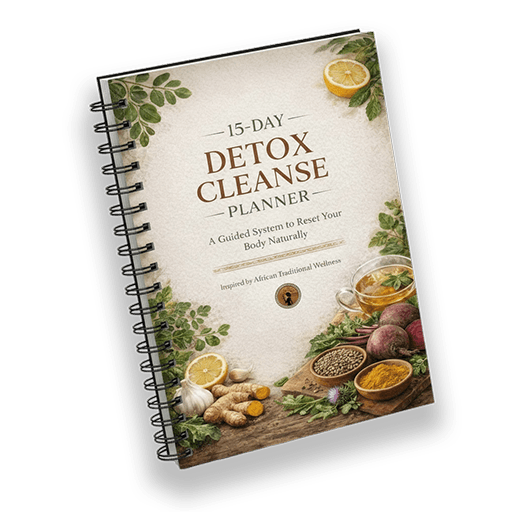
Get the Free 15-Day Cleanse Planner – includes food lists, hydration goals, elimination tracking, and daily check-ins.
Upgrade to the Full Detox Guide + Audiobook – a deeper dive into cleansing science, ancestral practices, and meal plans.
Enroll in the Full Detox Course – a complete system for detoxing, restoring metabolic health, and implementing long-term change with African-informed guidance.
Sources
- Polyak SJ, Morishima C, Lohmann V, et al. "Silymarin for the treatment of liver disease: a systematic review." Journal of Viral Hepatitis. 2013.
https://pubmed.ncbi.nlm.nih.gov/23704819/ - Longo VD, Panda S. "Fasting, circadian rhythms, and time-restricted feeding in healthy lifespan." Cell Metabolism. 2016.
https://www.ncbi.nlm.nih.gov/pmc/articles/PMC5783752/ - Cash BD, Epstein MS, Shah SM. "A novel delivery system of peppermint oil is an effective therapy for irritable bowel syndrome." Digestive Diseases and Sciences. 2016.
https://www.ncbi.nlm.nih.gov/pmc/articles/PMC4103722/ - Ancient African Secrets To Great Health – PeterJohn Fox
Continue exploring
Get the 15-Day Detox Cleanse Planner FREE
Join the newsletter for practical routines and updates.
We respect your privacy. Unsubscribe anytime. No spam, ever.